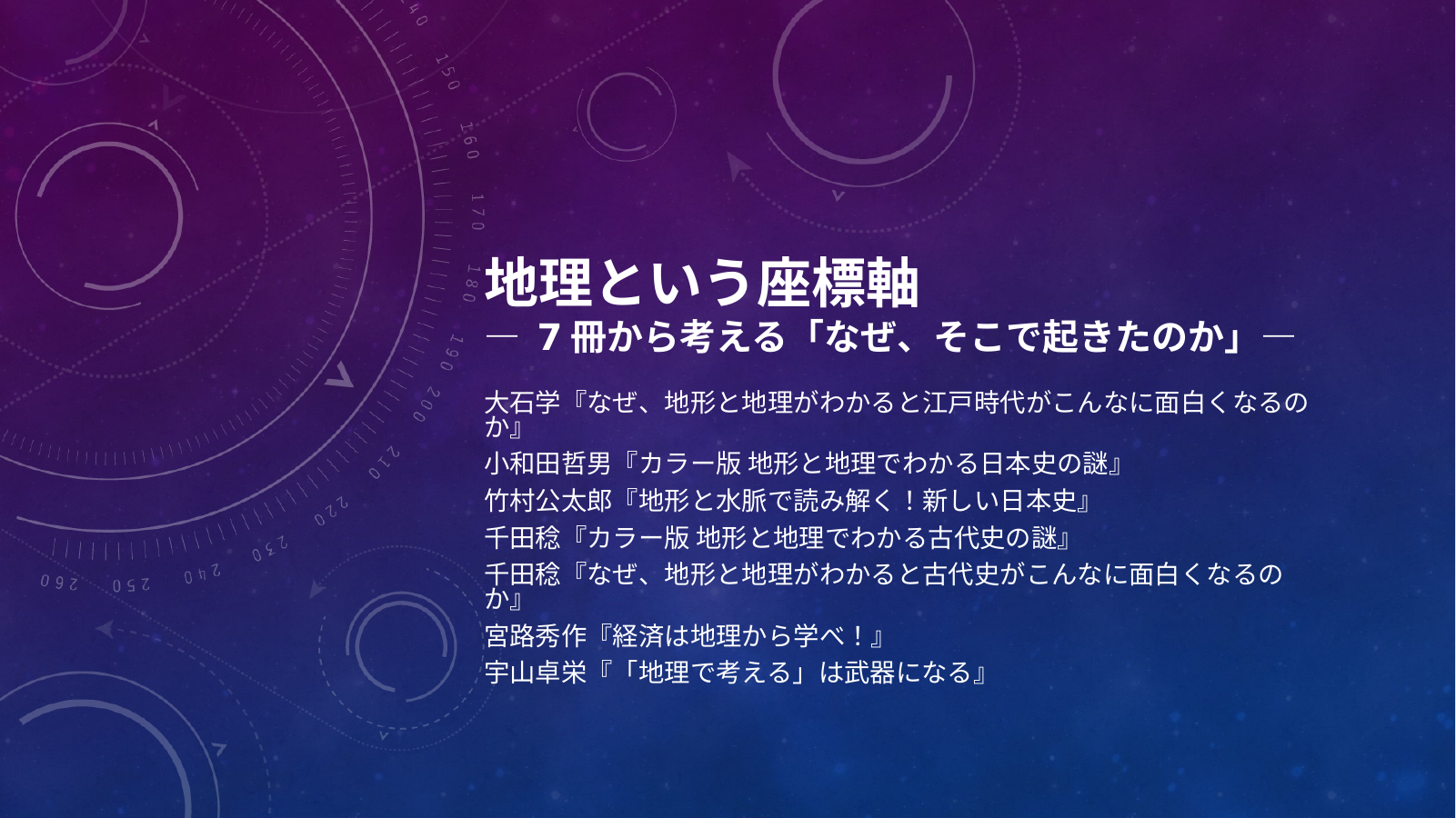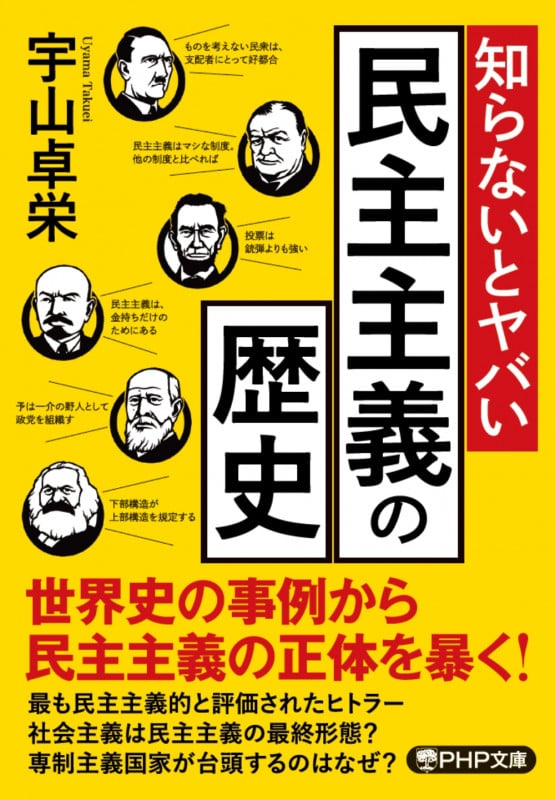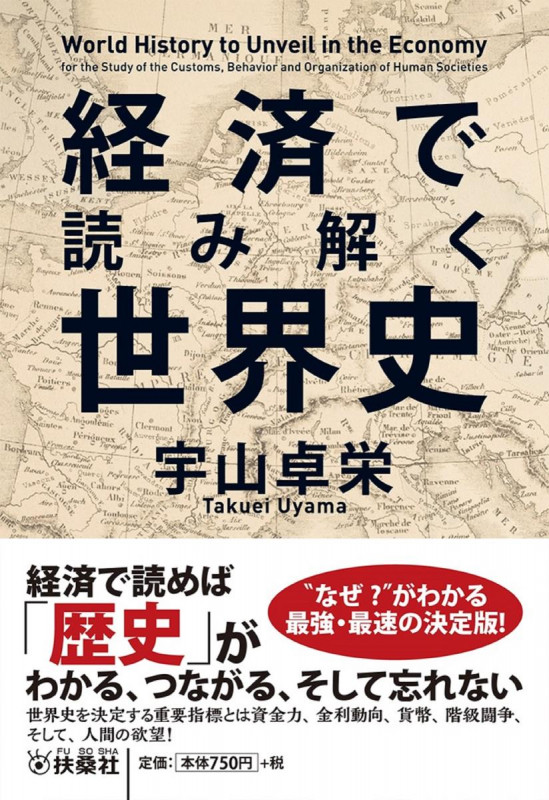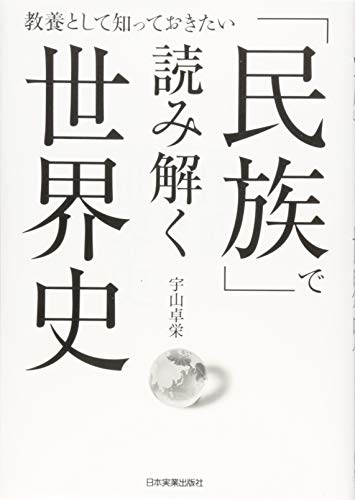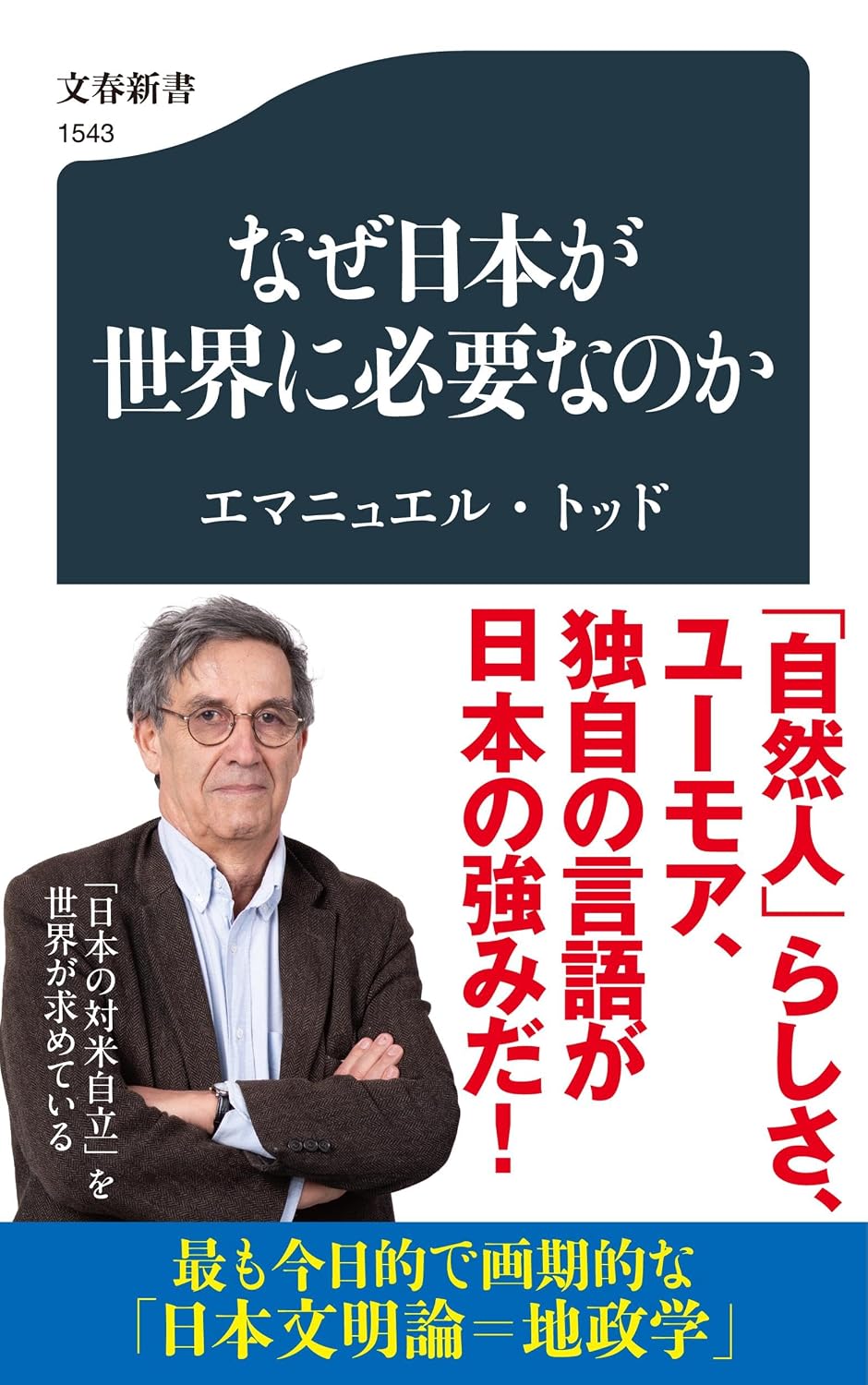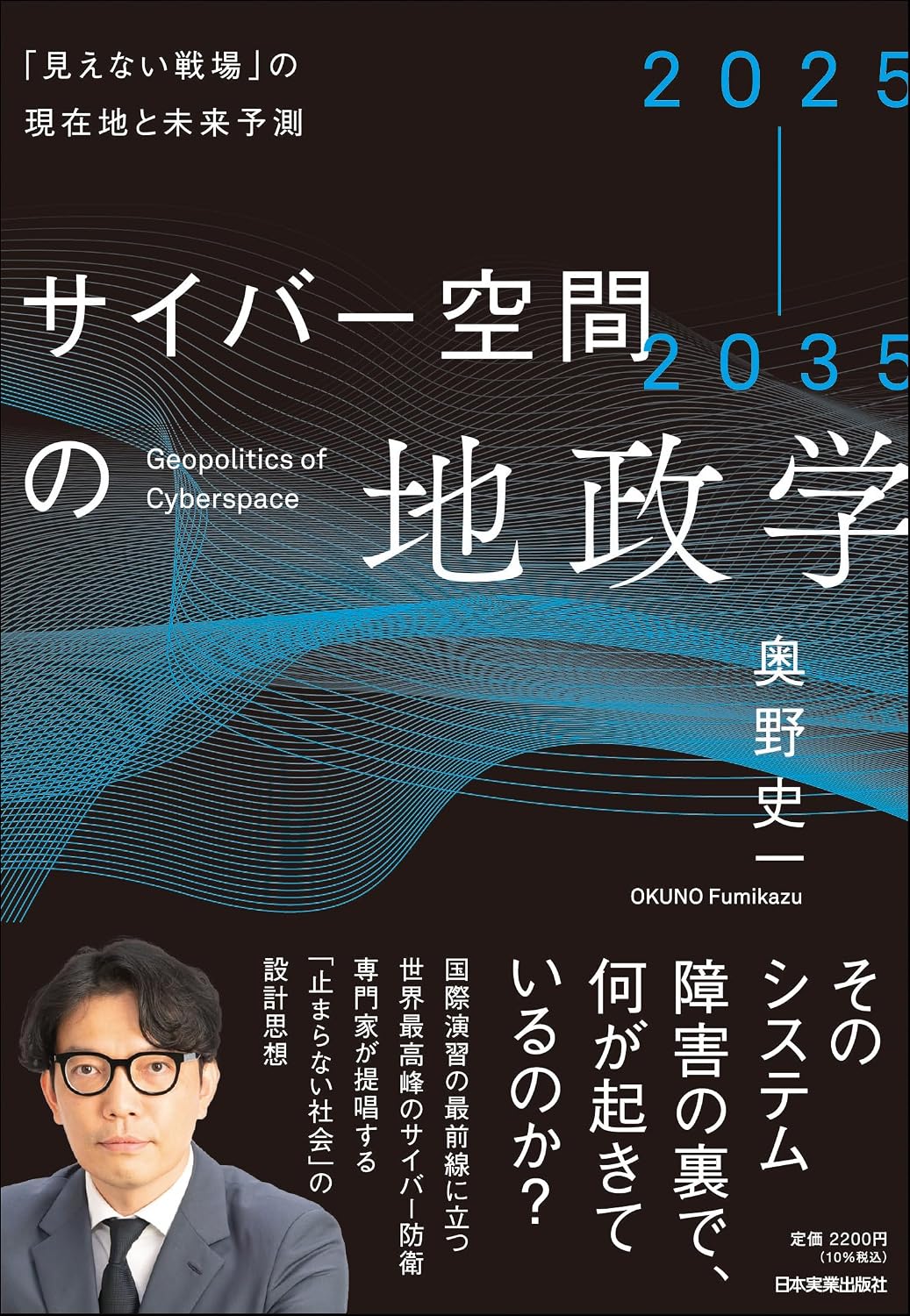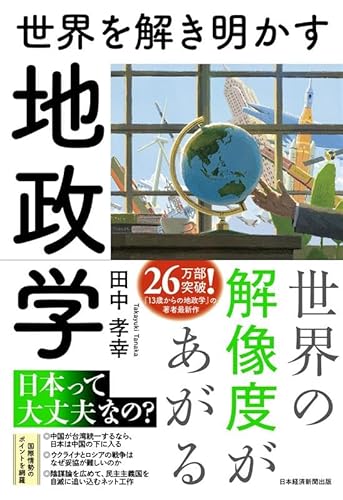
・The geographical logic of whether memorized knowledge becomes obsolete as times change, why a city was built in that place, and why that industry developed becomes a skill that can be applied across the ages. What is required in the coming era is geographical thinking with the viewpoint of “geopolitics as strategy” rather than “geography as memorization knowledge” (p5)
・History is said to be repeated, but the reason why it repeats itself is because the “geography” on which it is set does not change. Here's why the world's elites place more importance on geography and geopolitics than historical education (p6) Even if humans change, stage equipment = geography doesn't change, understanding what doesn't change is the surest way to predict an uncertain future (p7)
・Business is ultimately “adaptation to the environment,” analyzing the geographical conditions (resources, location, climate, infrastructure) where the company is located, finding strengths (= comparative advantage) that can only be demonstrated on that land, and searching for where the resources lacking in the company are located on a map (p9)
・Geopolitical risk is frictional heat arising from differences in geographical conditions and political will. Geographic enforceability: Things that cannot be changed, such as the location of resources, exit to the sea, distance from neighboring countries, ease of defense due to terrain, etc. Political will: Things that can be changed, such as borders, alliances, trade agreements, national ambitions, etc. (p13)
・The tropics are too harsh for agriculture and health; temperate winters reset (kill) pests and pathogens once, but in the eversummer tropics, pathogens, mosquitoes that carry, and pests that devour crops continue to be active throughout the year, and furthermore, absolute soils tend to flow out nutrients due to heavy rain and are not suitable for agriculture. This difference in starting lines piled up like compound interest over a period of hundreds of years and appeared as a huge economic gap (p38)
・In Europe, both France and Germany needed to spend huge budgets and human resources on the army in order to prepare for an invasion from neighboring countries bordering the border, but England protected by the sea had an extremely low risk of invading the mainland, military spending could be concentrated on the “navy” and “commerce” rather than the army, and furthermore, within England, the risk of assets being destroyed was low, so people were able to make long-term investments with peace of mind. The high-risk action of building a factory and introducing expensive machinery is only possible if there is geographical security that “this factory will be here tomorrow without being destroyed” (p42)
・Steam engines were not invented to run looms or run trains from the beginning; they were created to meet the needs of an extremely local site called “groundwater treatment in coal mines.” England did not have an abundance of coal, and if there was no need for coal mine development, Watt would have had no motivation to improve steam engines, and the industrial revolution might have been delayed by hundreds of years (p44)
・The biggest reason why Japan was miraculously miraculously reflected is that it has a land shape that makes it easy to use the “land shape that makes it easy to use shipping in the world,” so it is possible to build a factory in a place where the cost of carrying resources and the cost of transporting products is extremely low even without having the resources themselves. Japan had the strongest location conditions in the world in this 1 point (p48)
・Why did Westerners enslave Africans? There is a strong aspect that they did not enslave Africans because there was discrimination, but “there was a geographical and economic need to enslave them, so they created a logic of discrimination as an afterthought and justified it.” Geographical needs were a mismatch between the “climate” of America in the new continent and the “crops” and “diseases” that were intended to be cultivated there (p53). At first, Europeans tried to use local indigenous people (as labor), but they died one after another. Abuse is also one of the causes, but the biggest cause of death was a “pathogen,” and over 90% of the population died without a single bunch of indigenous people who were not immune to smallpox or measles brought in by Europeans. Next, they sent in “white contract workers,” who were our compatriots, but they also fell one after another, and Europeans had no resistance to tropical diseases at all. Therefore, it was Africans who had a geographical answer, and before Africans were subject to discrimination, they were discovered as “the only labor resource that can survive and operate in a special geographical environment called a tropical plantation” (p55)
・There is a democratic adage that says there is no taxation without representation, but in resource-rich countries, this is reversed; instead, there is no need to tax citizens, and there is no need to listen to the voices of the people, and as a result, wealth is concentrated in some privileged classes, and secret police and military forces to protect them are bloated, and powerful leaders continue to reign (p62)
・People who run money still live under the sun, and they can't escape the biological rhythm of waking up in the morning, working, and sleeping at night; in other words, money does not fly around without permission, but flows along two huge physical restrictions: “terrain (location of cables and servers)” and “celestial bodies (movement of the sun).” The rules for the flow of money “flow from a dangerous place to a safe place,” and it is also geography that determines that safe place. The reason Switzerland and Singapore were able to become global banks was not because their financial skills were high, but rather because they held the heart of logistics called the Malacca Strait, a natural fortress called the Alps (p68)
・Switzerland's hard-to-attack terrain (Alps) made eternal neutrality, which is Switzerland's national motto, possible, and neutrality was established not only by declaring “not to fight,” but also by having the ability (geographical/military deterrent power) to “strike back even by illuminating the whole country if they invade” (p73)
・Singapore is a logistics hub, but inevitably it will also become a financial hub. This is because where things move, settlement always occurs, insurance is required, and exchange is carried out (p78)
・England, which once controlled the seven seas as the British Empire, has lost military power and industrial power and still reigns supreme in the financial world, and the biggest reason for this is limited to the geographical fact that London is located at “0 degrees longitude.” When London arrives in the morning and dealers arrive at their desks, there is an Asian market in the east where transactions are still continuing, and when London enters the afternoon, the North American market that welcomes the morning opens in the west, and fresh orders come in. In other words, only dealers in London can trade in real time with both huge Asian “real demand money” and America's huge “investment money” with working hours per day (p89)
・Continental nations seek “territory” and maritime nations seek “freedom,” and many wars in history are not battles between justice and evil, but are explained as a collision of geographical fates between “land power driven by fear” and “sea power that wants to maintain balance” (p107)
・Ironically, the “personal freedom” and “democracy” we enjoy today were not born because Europeans were highly civilized. This is because they lived under a blessed climate (geographical fortune) where “water falls without permission even if they don't rely on a dictator” (p114)
・Religious precepts are sacred, but if you dissect their contents, you can see the aspect of a “resource management system to balance the carrying capacity of land with respect to the population,” and even if you call for “let's stop keeping pigs because the cost performance is bad,” it is necessary to set a “strong taboo that God forbids” and control desire through fear (p142)
・There is no change in the desert. The scenery is the same up to the 360-degree horizon, and there are few seasonal changes. If we spend time carelessly in it, humans lose time intervals and their rhythm of life collapses. Praying 5 times a day is time management to forcibly sharpen one's life in the “constant” of the desert (p150)
・Half of cows, sheep, and camels are called animals and have 4 stomachs, and they can digest grass that humans cannot eat and convert it into nutrients, which is a very convenient system for humans. If you feed a weed that has no value to humans, it will change to a high-protein food called meat or milk (p157)
・It is sometimes said that Japanese people are unreligious, but this is a mistake; they just don't have specific discussions and have an extremely strong religious view peculiar to humid regions that “follow natural providence and do not disturb harmony” (p169)
・There are two main types of justice in the world: “Oriental justice,” which gives top priority to the circle of groups, and “Western justice,” which gives top priority to individual rights and contracts, what created this decisive difference is not Confucius or Christ, but the difference in the characteristics of the crops called “rice (rice)” and “wheat.” The reason why Japanese people respect Japanese culture is not because they have a calm personality, but because they adapt to geographical and economic pressure “because otherwise, everyone will starve to death.” The reason Westerners are dry and assertive is not that they are selfish, but that geographical conditions peculiar to arid and farmed regions where “they can live without relying on groups” nurtured the idea of individualism (p186)
・In Japanese society, there is an absolute rule that reigns supreme over the law over the Constitution, and that is “air.” Read the surrounding air and shut up even if there are objections at meetings, and keep wearing a mask because you are concerned about the eyes around you even if wearing a mask is an individual decision (p191)
・Incorporating culture but not being controlled; respecting but not assimilating; this exquisite sense of distance is the true nature of the island nation. Originality was established by remodeling continental civilizations to “island country specifications = Galapagos” (p231)
・Entering the 21st century, the major premise of geopolitics up until now that “humans change, Chile does not change,” is fundamentally changing, there are two causes for “the status itself has begun to change physically,” 1) climate change = changes in physical topography and climate zones due to global warming, and 2) dramatic expansion of the field of human activity (expansion into outer space) due to the evolution of technology (p239)
・What will trigger military clashes between nations for the next few decades is not an ideological conflict or petroleum resources, but a return to an extremely primitive and vital issue of “who controls river water” (p242)
・Space is the final frontier for future geopolitics, and thinking that space development is a scientific romance is nothing more than the emotion of people who lived in peaceful times, and looking back on history, the motivations for “humans to advance into new realms” are always “acquiring resources” and “securing military superiority.” A special coordinate called a “Lagrange point,” where the gravity between the Earth and the Moon is balanced and artificial satellites and space stations can stay stably, this is a strategically extremely valuable “island” floating in an endless expanse of outer space, and it is a “strait” (p243)